

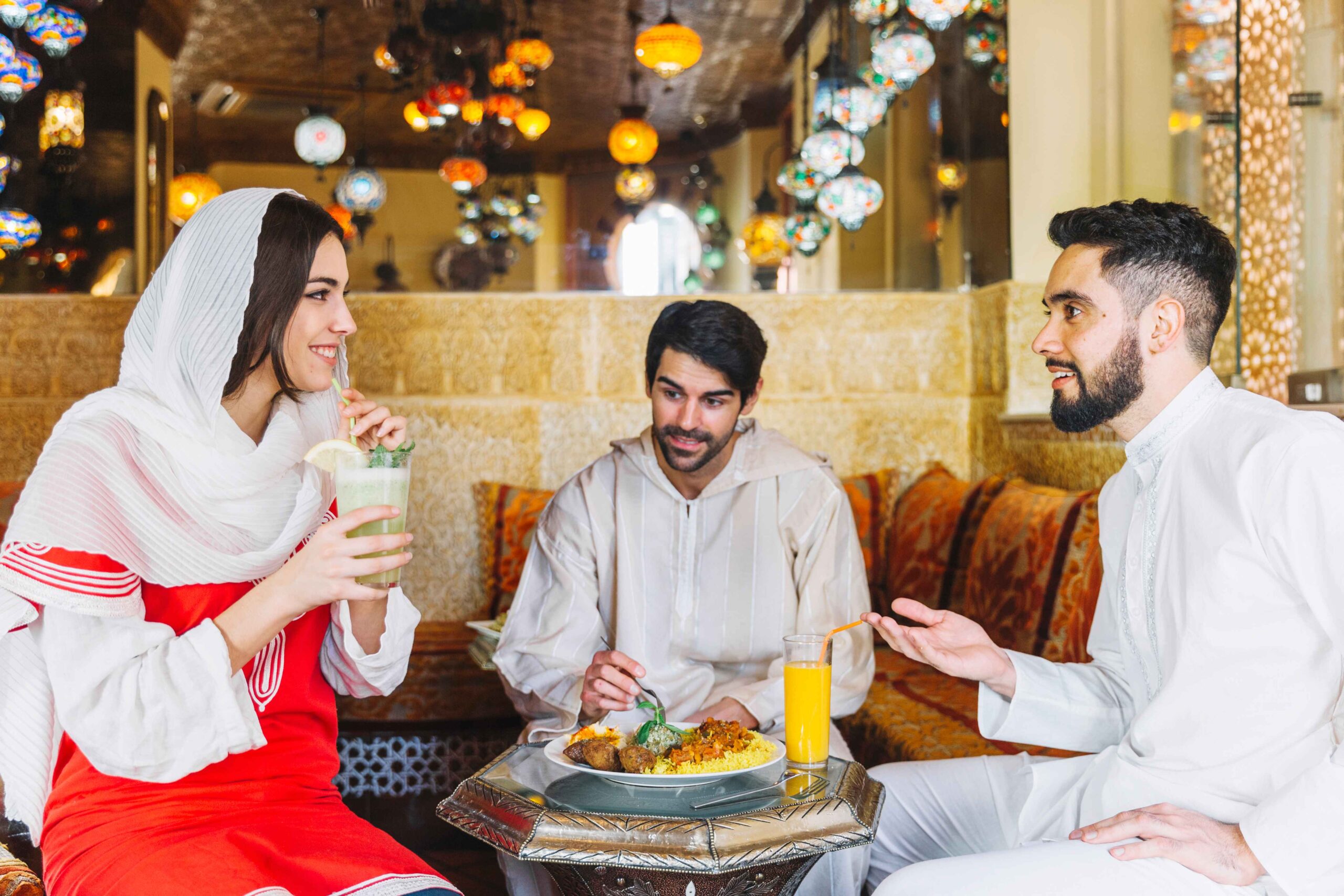
Exploring Arab restaurants In dubai is one of the most immersive ways to experience the region’s heritage. In a city known for its global dining scene, Arab cuisine stands as a proud reflection of tradition, community, and time-honored recipes. These restaurants are not just places to eat—they are spaces where culture is preserved, shared, and celebrated through every dish served.
Dubai’s culinary identity is deeply influenced by Arab traditions, making local restaurants a gateway to understanding the flavors and values that shape Middle Eastern hospitality.
A Culinary Expression of Heritage
Arab cuisine is rooted in history, with recipes passed down through generations. From fragrant rice dishes to carefully seasoned grilled meats, each preparation reflects regional influences and family traditions.
In Dubai, Arab restaurants present these dishes with authenticity while adapting to modern dining expectations. Fresh ingredients, balanced spices, and thoughtful presentation ensure that each plate honors tradition while appealing to contemporary tastes.
This blend of heritage and refinement keeps Arab cuisine relevant in a constantly evolving food scene.
A Celebration of Hospitality
Hospitality lies at the heart of Arab dining culture. Guests are welcomed warmly, often treated as extended family rather than customers. Meals are served generously, encouraging sharing and togetherness.
Arab restaurants in Dubai embrace this spirit wholeheartedly. Dining becomes a communal experience, where large platters are often placed at the center of the table and conversations flow freely.
This sense of welcome transforms a simple meal into a meaningful social ritual.
Regional Diversity Under One Roof
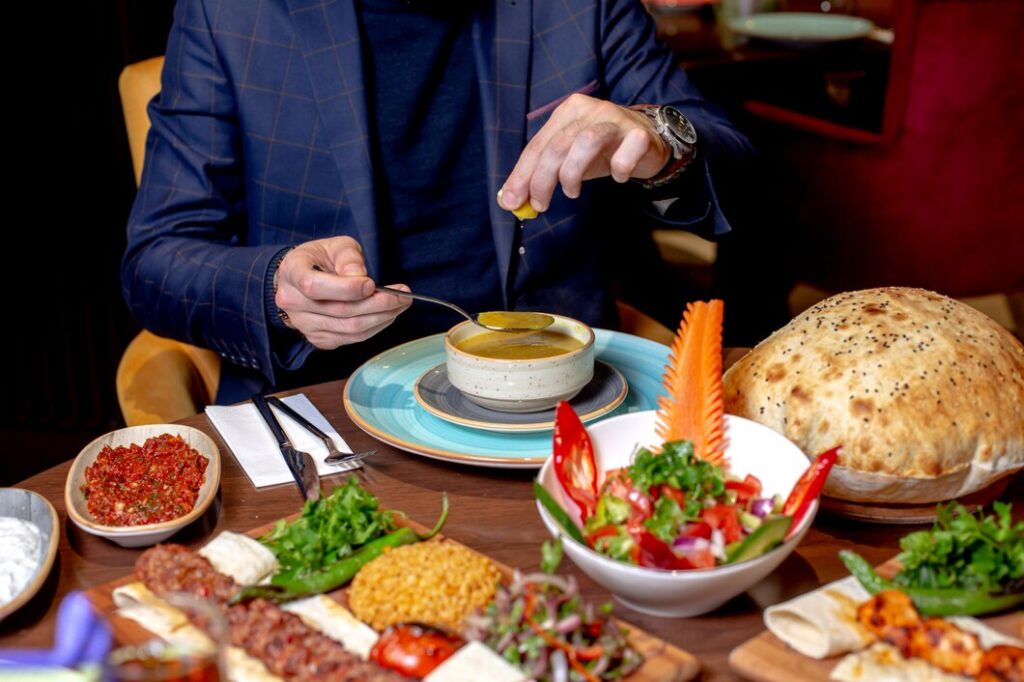
Dubai’s position as a regional hub allows Arab restaurants to showcase culinary influences from across the Middle East. Lebanese dishes bring vibrant salads and charcoal-grilled specialties. Gulf cuisine introduces rich rice-based preparations infused with aromatic spices. North African influences add depth and complexity through layered flavors.
This diversity ensures that diners can explore a wide range of tastes without leaving the city. Each restaurant offers a slightly different interpretation, creating a dynamic and engaging culinary landscape.
Flavors That Balance Tradition and Freshness
One of the defining qualities of Arab cuisine is its balance. Fresh herbs, olive oil, yogurt, grains, and vegetables play essential roles, complementing heartier elements like grilled meats or slow-cooked dishes.
This thoughtful composition allows meals to feel both satisfying and nourishing. It’s a style of cooking that prioritizes flavor without excess, making it suitable for everyday dining as well as special gatherings.
Ideal for Family and Social Gatherings
Arab restaurants naturally lend themselves to group dining. The emphasis on sharing dishes and enjoying meals at a relaxed pace makes them ideal for family dinners, celebrations, and friendly gatherings.
In Dubai’s multicultural setting, these restaurants provide a welcoming environment for both locals and international visitors. The experience bridges cultures, offering insight into Middle Eastern culinary traditions while remaining accessible to all.
A Reflection of Dubai’s Identity
As a city that blends modern innovation with deep-rooted tradition, Dubai’s dining scene reflects this duality. Arab cuisine plays a central role in maintaining that cultural balance.
Dining at an Arab restaurant allows guests to connect with the region’s past while enjoying the comfort of contemporary hospitality. It’s a reminder that even in a rapidly developing city, tradition remains essential.
Conclusion
From authentic flavors to warm hospitality, Arab restaurants In dubai offer far more than a meal—they provide a cultural journey. By preserving heritage while embracing modern refinement, these restaurants continue to define Dubai’s rich and welcoming culinary identity.

